
There is no single roof tent that works equally well in every market. Local vehicles, climate, infra...
There is plenty of advice online about how to choose a roof tent manufacturer—compare prices, check ...
There is no single roof tent that works equally well in every market. Local vehicles, climate, infrastructure, camping habits and customer expectations all influence product selection.
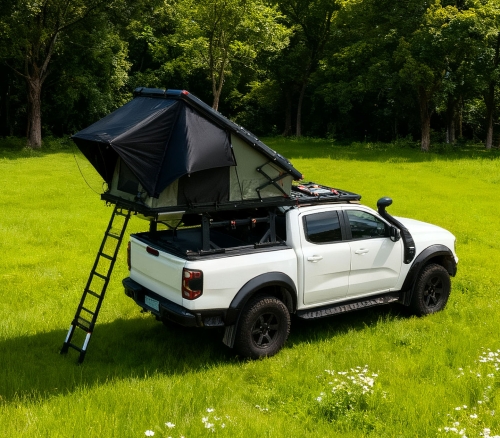
For example, markets with more large SUVs, pickups and 4×4s may have greater flexibility for larger roof tents. Where smaller SUVs and crossovers are common, weight and roof-load compatibility become more important.
Regional conditions also matter. In South Africa, dust and off-road travel make protective covers valuable. In many East Asian cities, underground parking makes a low closed profile more important.
Choose a roof tent around your market—not simply because it sells well somewhere else.
Define who will buy the tent.
Families may prioritize sleeping space and comfort. Frequent travelers often value quick setup. Overlanders and 4×4 users may focus more on durability and weather protection.
Your target customer should determine the product—not the other way around.
Vehicle size, roof design, roof-rack compatibility and dynamic roof-load limits can determine which roof tents are practical.
Smaller SUVs and crossovers may favor lighter, more compact tents, while larger SUVs and pickups offer greater flexibility in size and weight.
Different structures offer different trade-offs.
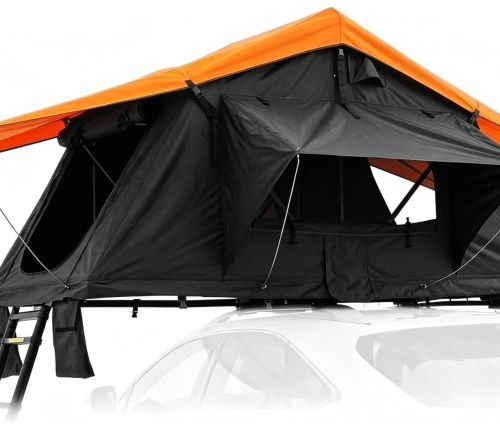
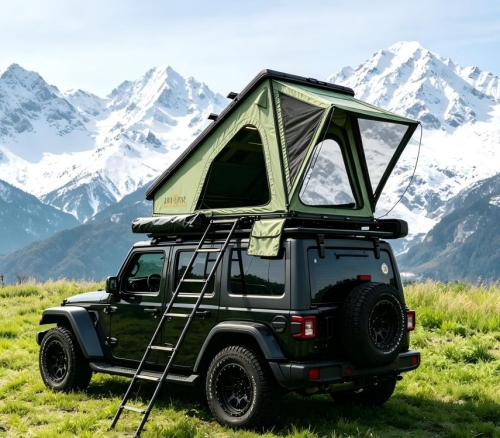
Soft-shell roof tents generally provide generous sleeping space, lower weight and competitive pricing.
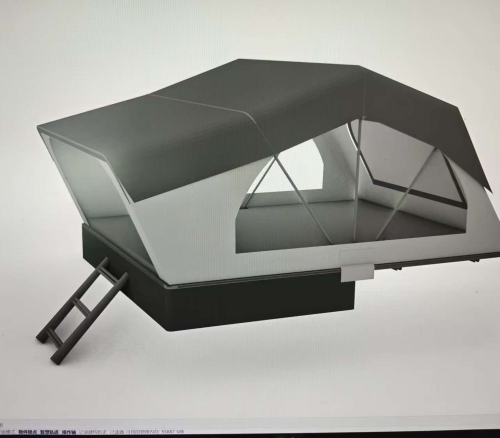
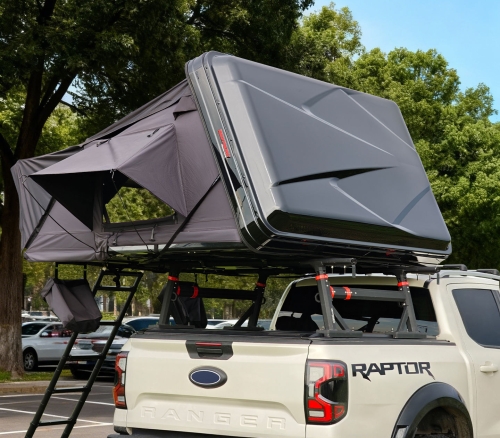
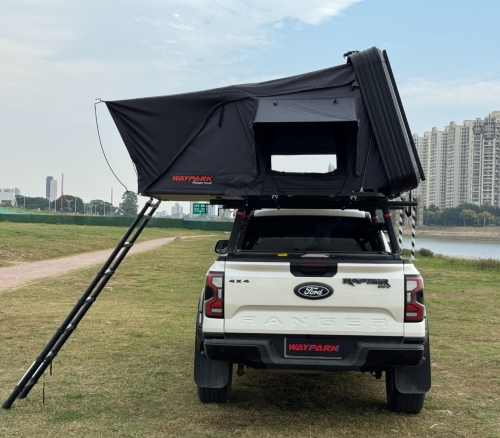
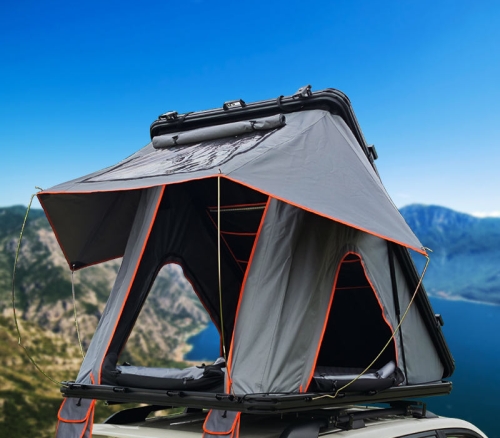
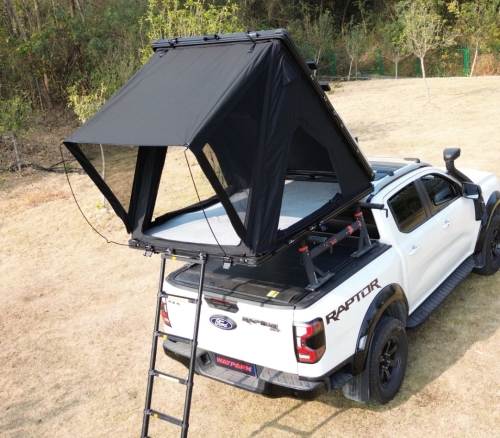
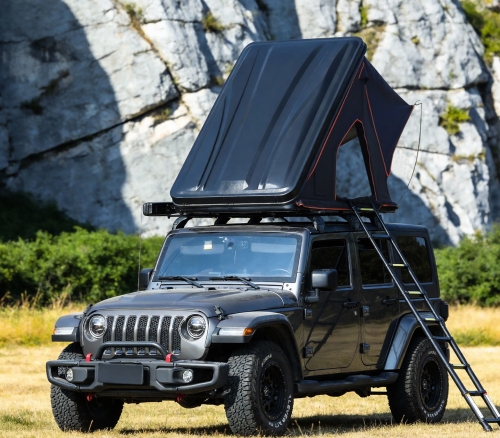
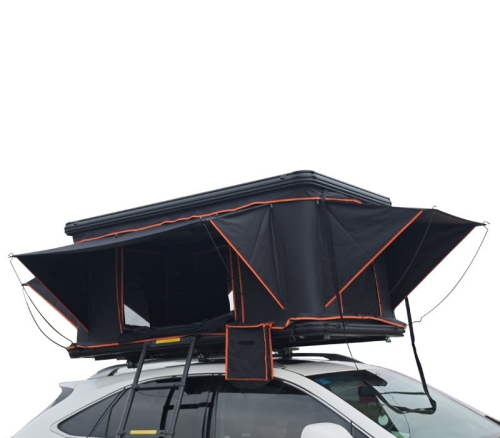
Hard-shell roof tents typically offer faster opening and closing. Pop-up, clamshell and side-opening designs then provide different balances of space, weight, closed profile and ease of use.
There is no best structure—only the best fit for your target customer.
Rain, wind, heat, cold, humidity and dust can affect requirements for waterproofing, ventilation, insulation, materials and protective covers.
Usage matters too. Weekend family campers have different priorities from overlanders opening and closing their tents every day.
For B2B buyers, the goal should not be to find one universal “best seller.”
A stronger range can cover different segments:
Entry / Lightweight → Mainstream → Premium / Specialized
Each model should have a clear target customer and reason to exist.
Study experienced local roof tent brands and retailers to understand what already works.
But instead of copying their models, ask:
Who buys this product? Why? What problem does it solve?
Then choose products that meet the same customer needs, while looking for opportunities to differentiate.
Benchmark the market to understand the demand—not to copy the product.
Ultimately, the right roof tent is the one that fits your customers, vehicles, climate, camping culture and market position.