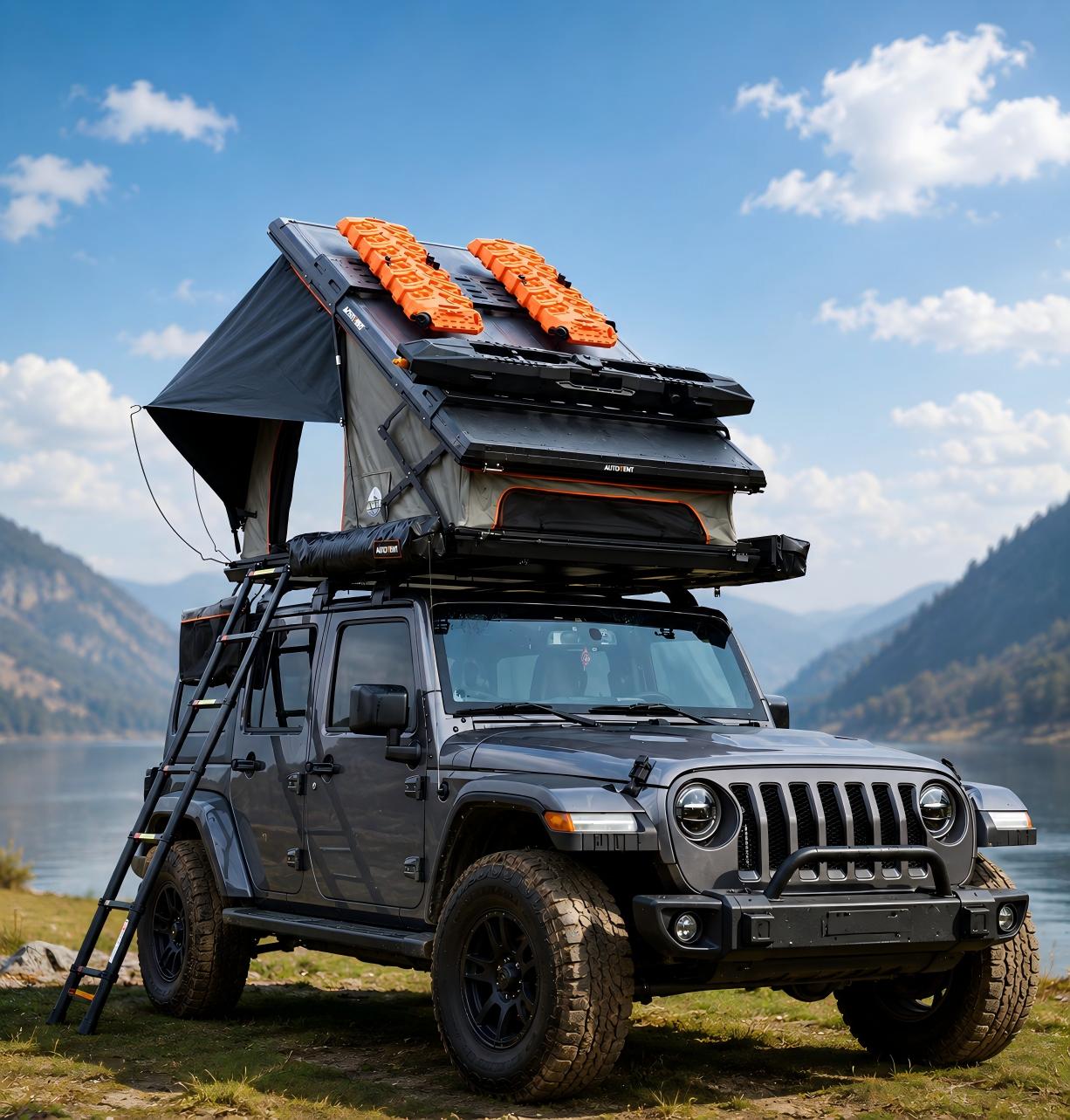
Effective customization is not a feature checklist.
Structure, shell, fabric, sleeping system, accessories
and branding should support the product's target users
and market.
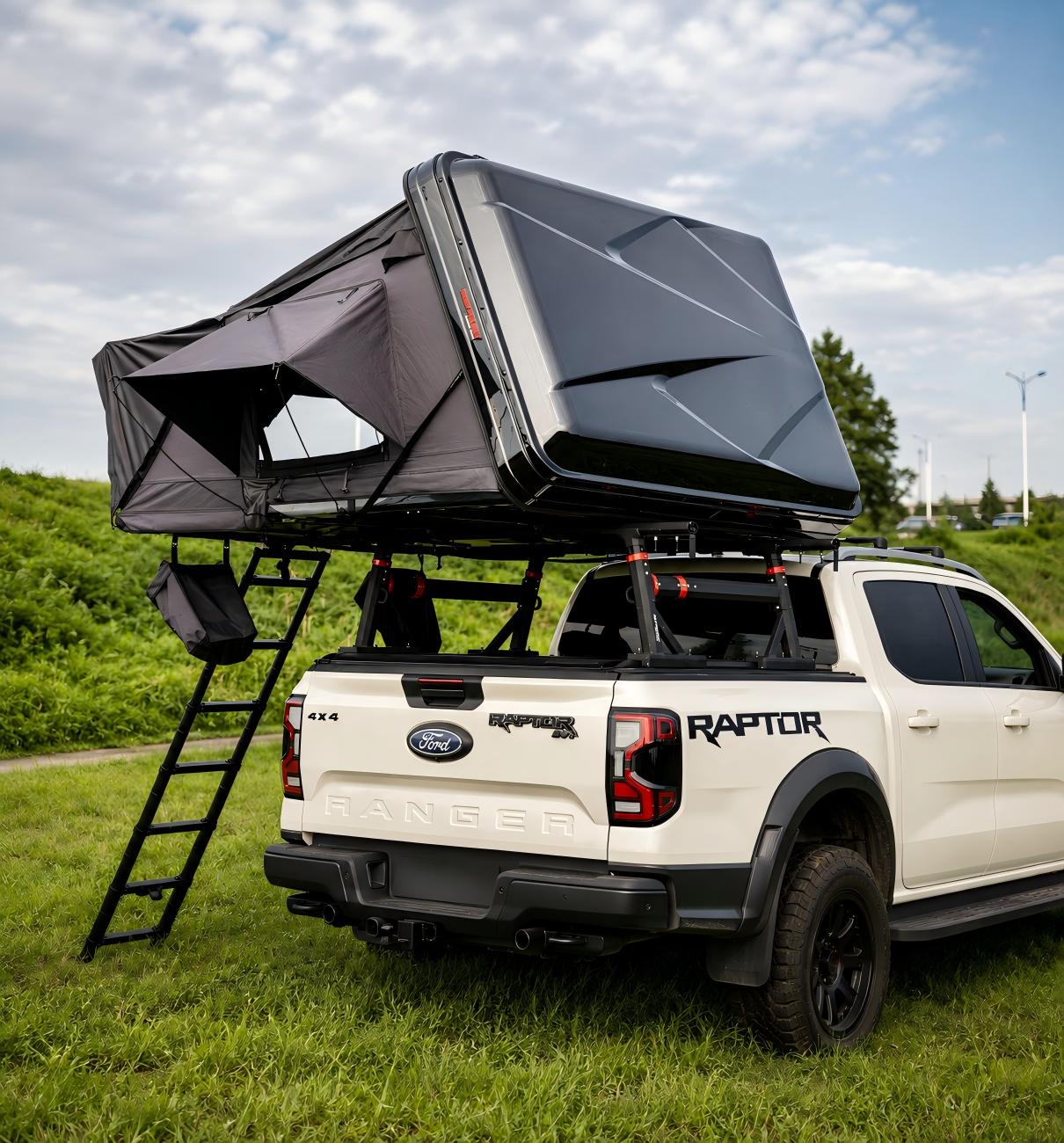
1. Choose the Structure Around the User
Side-opening, clamshell, pop-up and soft-shell roof tents
solve different problems. Sleeping capacity, setup speed,
internal space, packed size, vehicle roof-load limits and
retail positioning should be considered before features
are added.
Example:
A four-person family roof tent may need a very different
architecture from a compact two-person touring model.
2. Choose the Shell Around the Product Goal
Shell construction should follow target weight,
load requirements, appearance, climate and price positioning.
Depending on the project, options can include
10 mm or 20 mm aluminum honeycomb,
20 mm fiberglass honeycomb,
20 mm carbon-fiber honeycomb,
standard ABS, or ABS-PC-PMMA composite shells.
WAYPARK experience:
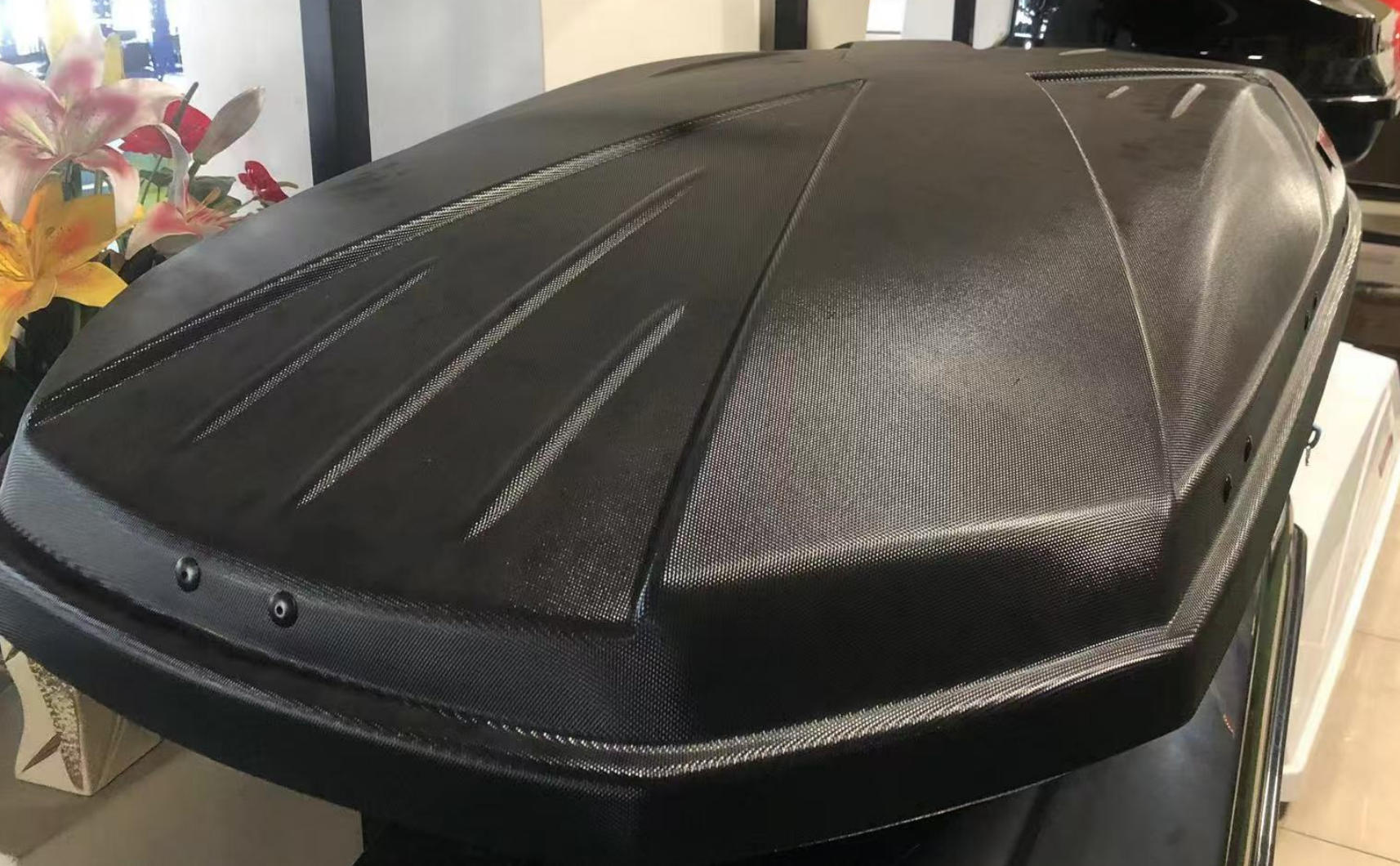
Textured standard ABS can make everyday branch and brush
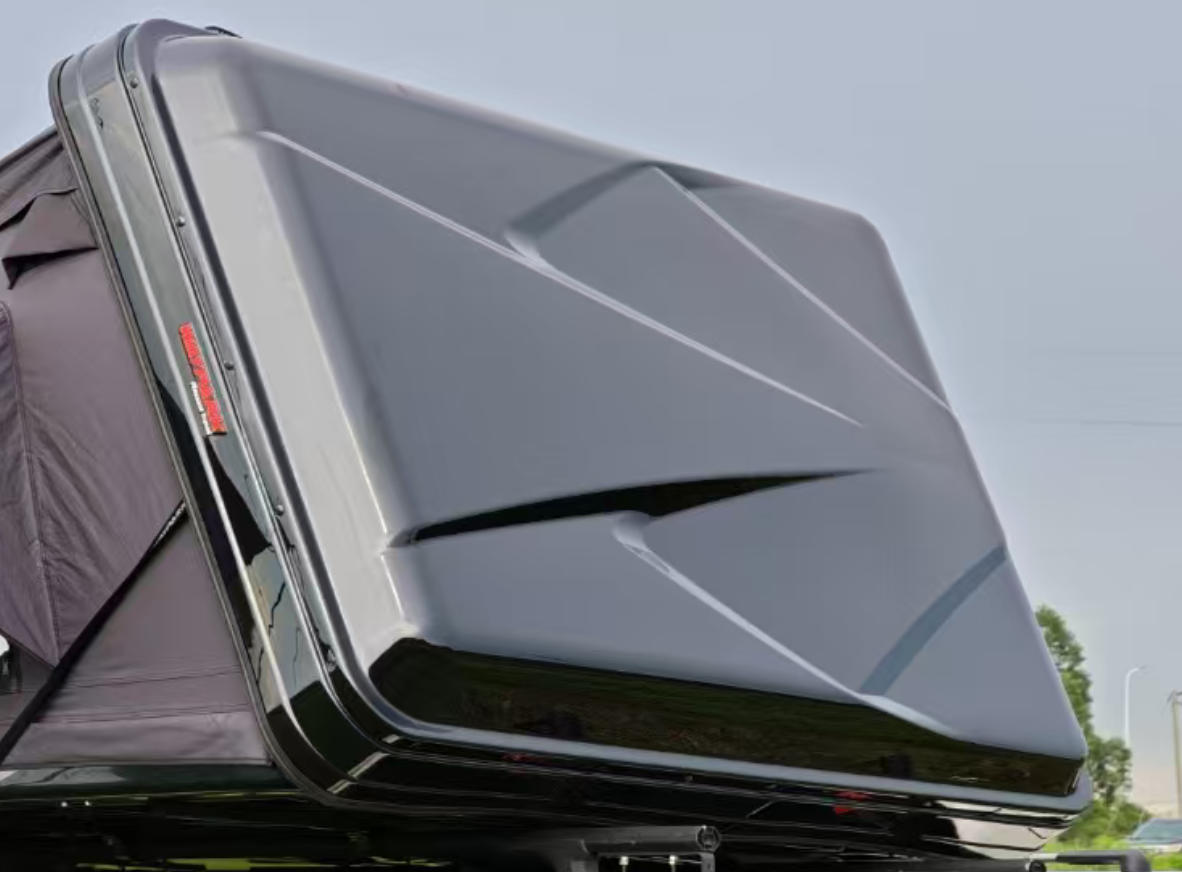
marks less visually obvious. For cold climates or large
temperature swings, we normally recommend the tougher
ABS-PC-PMMA composite construction; this material
is produced with a smooth surface.
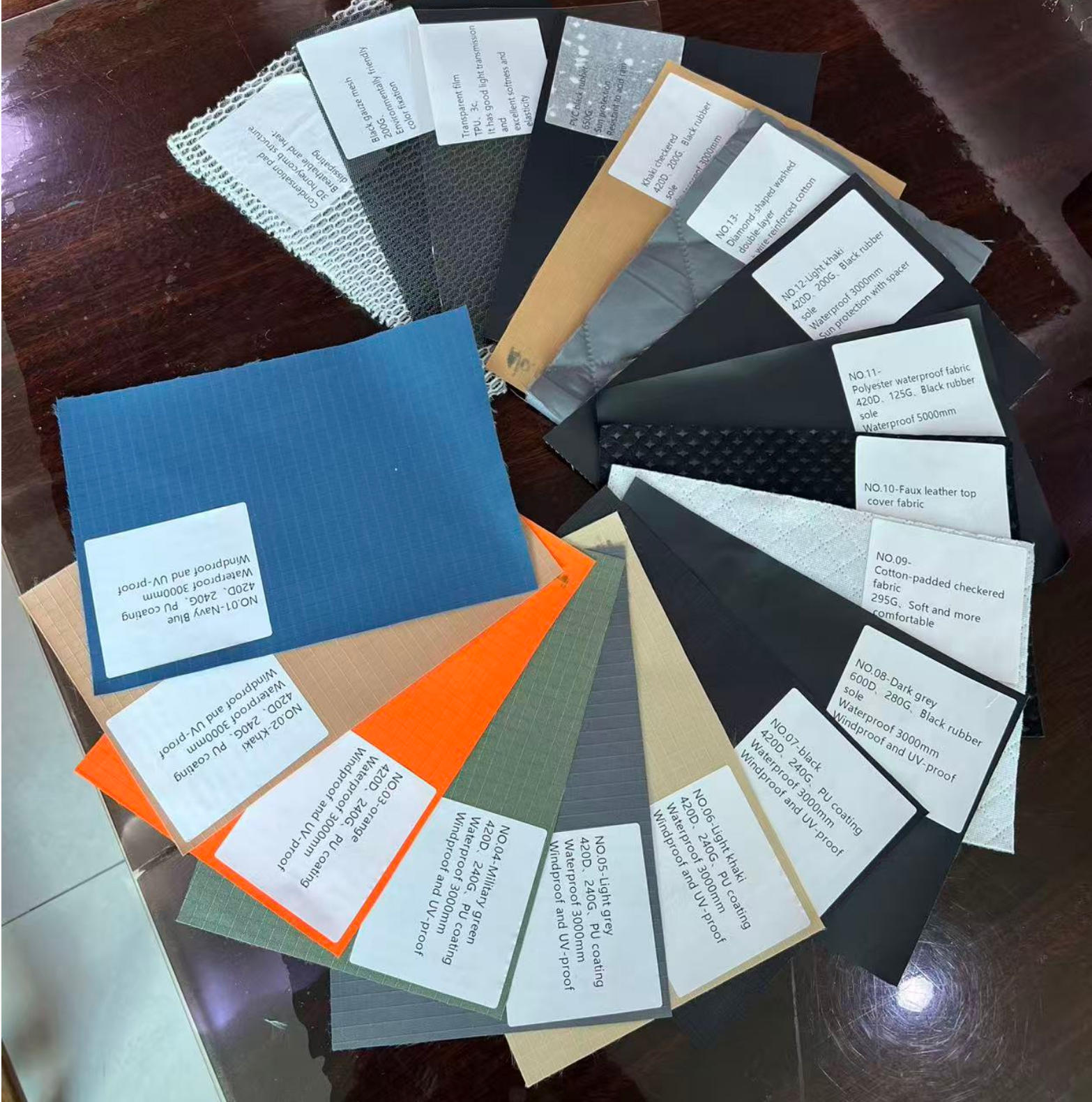
3. Balance Waterproofing, Breathability & Blackout
WAYPARK offers poly-cotton, polyester and breathable
technical fabric options. Polyester is our regular
waterproof choice at approximately
5,000 mm.
Poly-cotton breathes naturally but is generally not
our first choice for directly exposed walls when stronger
waterproofing is required.
Breathable technical fabric can combine waterproof
performance with improved airflow. Its breathable
construction allows moisture vapor to escape,
helping reduce condensation on the inner tent walls
when there is a large temperature difference
between inside and outside.
Color also affects sleep:
Black, gray, green and blue provide better light blocking.
Khaki, light khaki and orange can use an internal
black PU coating when stronger daytime blackout is required.
4. Design the Mattress as Part of the Tent
Our standard foam option uses
30D high-density foam.
The cover can use cotton on the sleeping side
for skin comfort and polyester on the underside
to help protect the foam from condensation moisture
at the tent floor.
Weight-sensitive project?
An inflatable mattress can also be evaluated,
with customization available from 100 pcs.
Mattress thickness must still be balanced with closed
height, folding geometry and bedding storage.
5. Customize Small Details Around Real Use
Useful customization often comes from observing
how customers actually camp. Along with ladders,
locks, ventilation, awnings and other components,
storage details can be adapted to the market.
Example:
Our standard shoe bag suits normal footwear,
while a larger UK-style boot bag can accommodate
bulky boots used on muddy campsites.
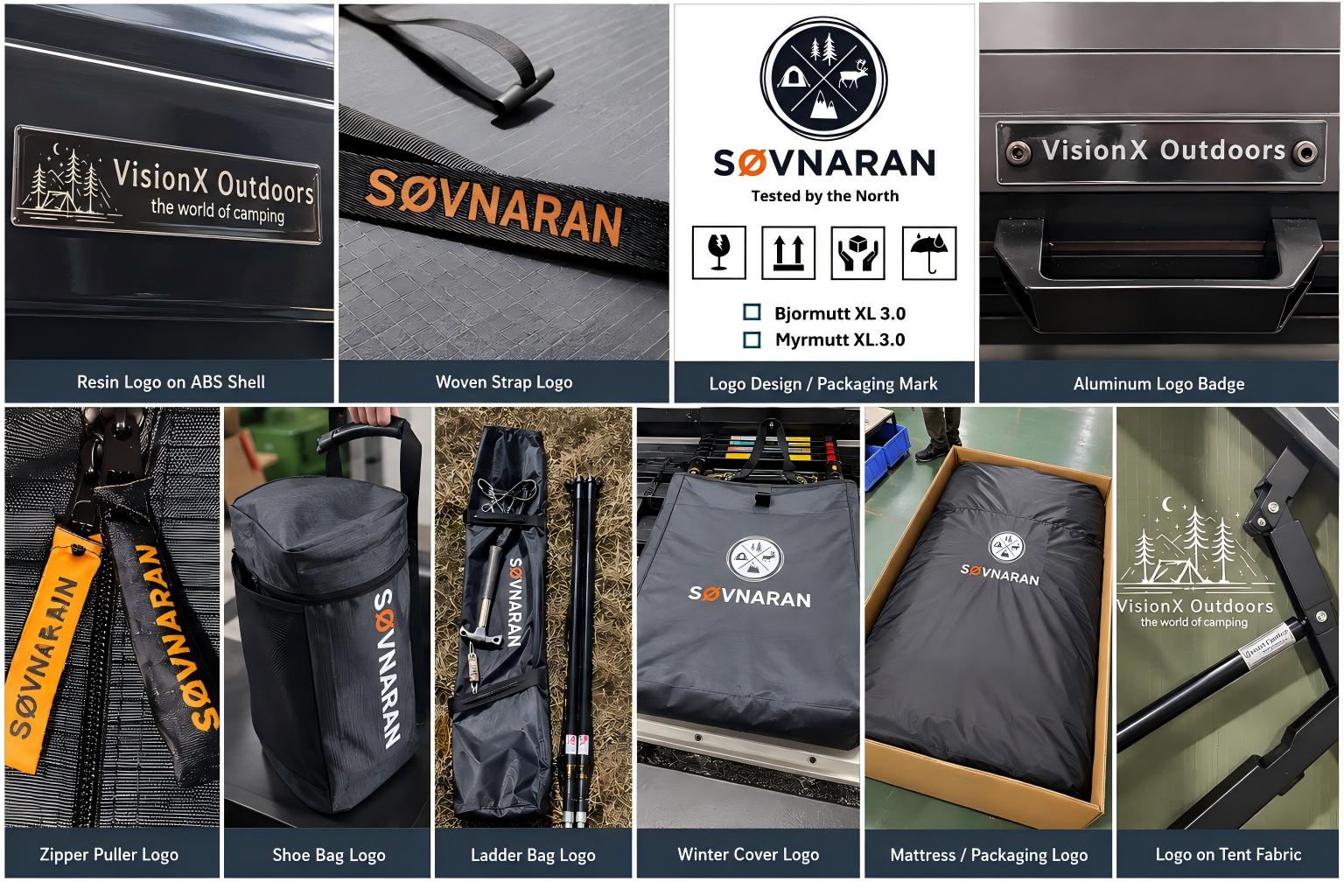
6. Build Brand Visibility Into the Product
Branding can continue beyond the tent body:
fabric logos, shoe bags, ladder bags, winter covers,
custom zipper pullers, cartons, crystal-clear resin
logos on ABS shells and aluminum badges on aluminum shells.
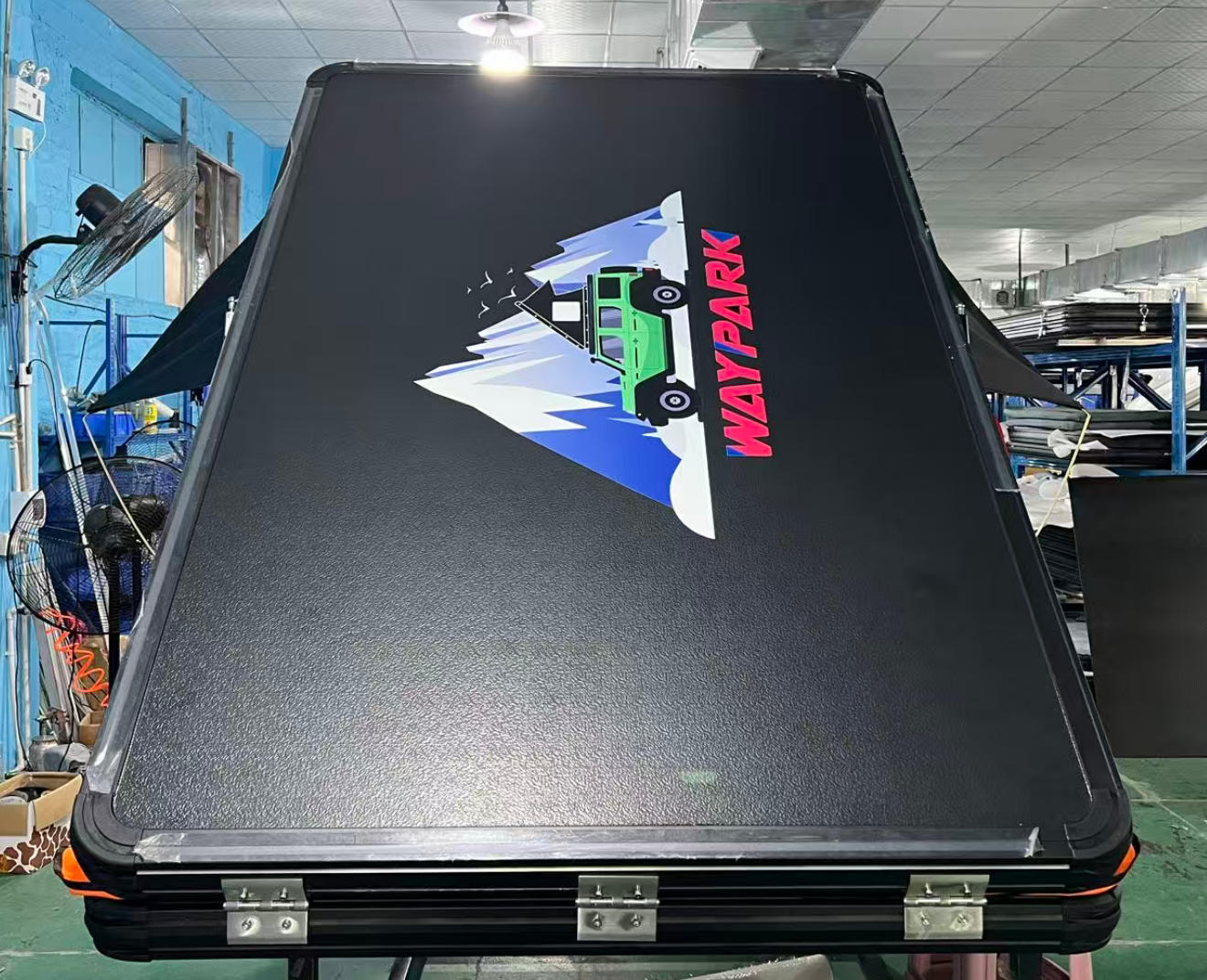
For greater visibility:
The large top surface of an aluminum hard shell can carry
oversized logos or custom graphics, making the brand
visible from much farther away and turning the roof tent
into a mobile brand display.
Customization Should Follow the Market, Not a Feature Checklist
Climate
Influences shell material, fabric, ventilation,
insulation and weather protection.
Vehicle & Weight
Influences architecture, shell construction,
dimensions and sleeping system.
Camping Habits
Influence setup, storage, mattress comfort,
accessories and everyday details.
Brand Positioning
Influences materials, colors, graphics,
packaging and differentiation.