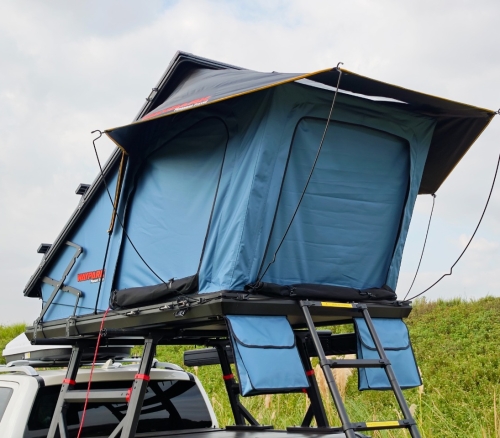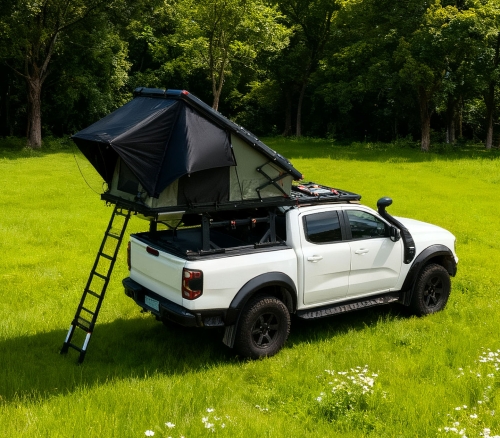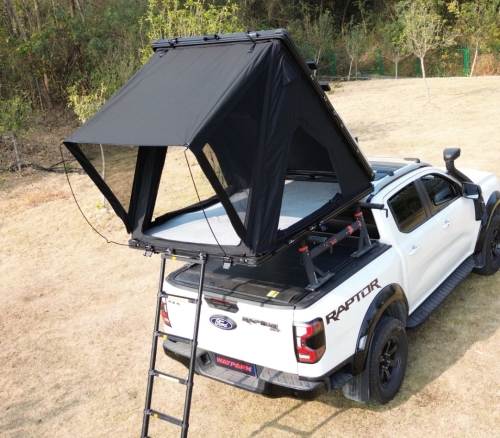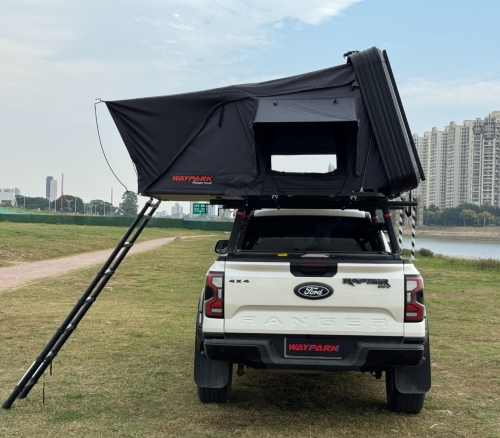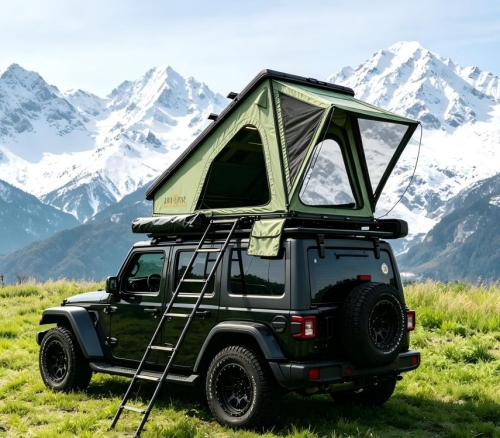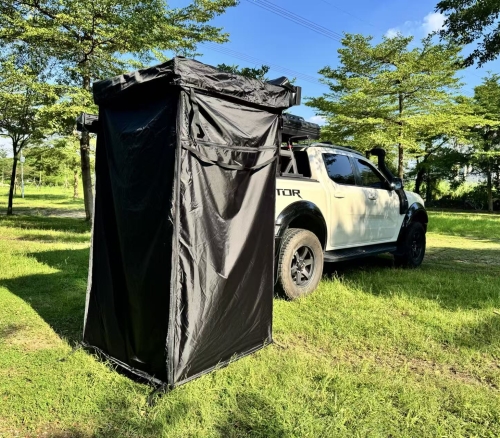
Project Type: ODM Roof Tent Development
Target Market: Premium SUV / 4×4 / Overlanding
Development Focus: Easy Operation / Comfort / Safety & Durability
Final Platform: WP6009-2
Architecture: Hard-Shell Clamshell + X-Lift
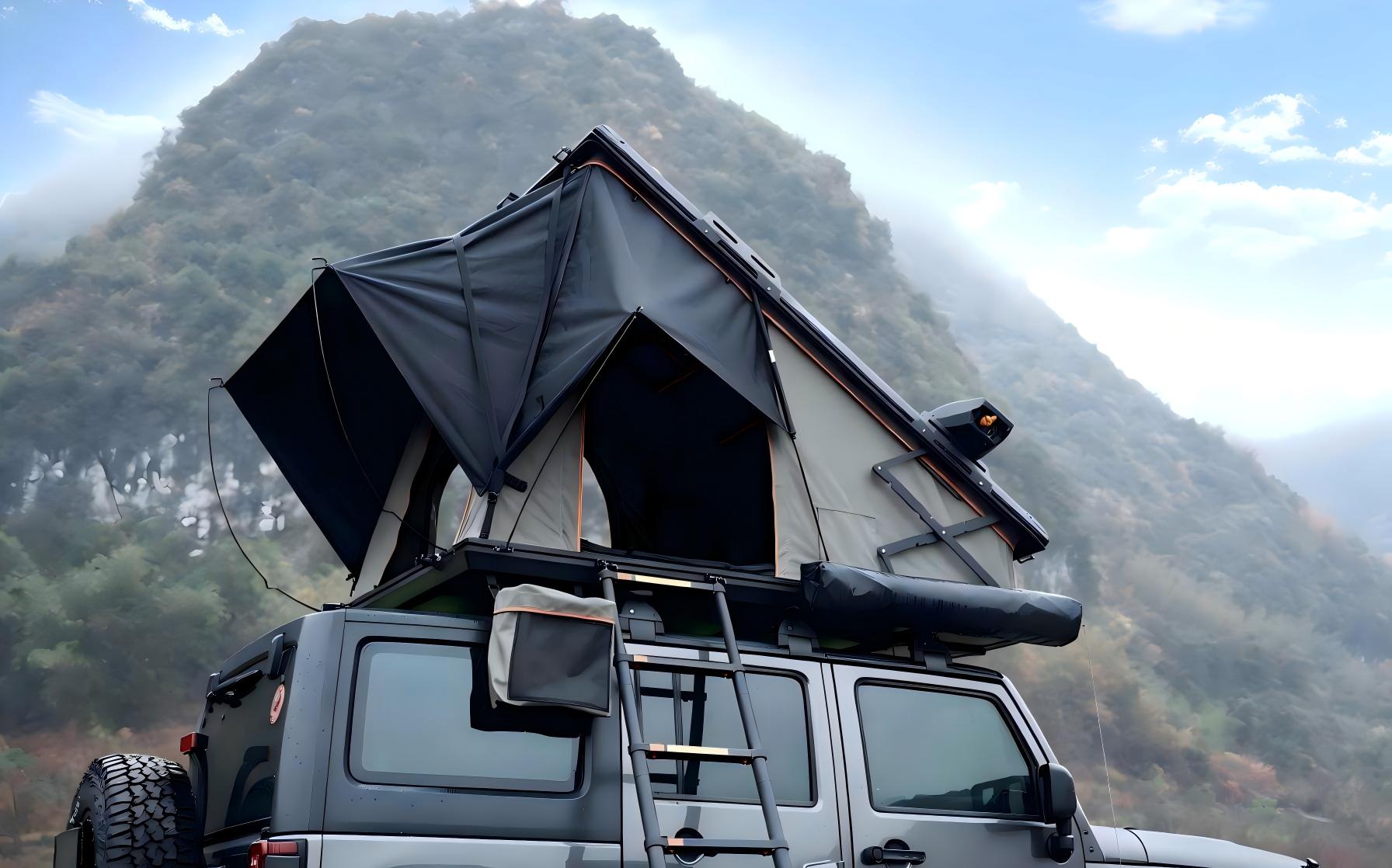
The project started with a clear goal: develop a premium hard-shell roof tent around three priorities — easy operation, better sleeping comfort, and long-term safety and durability.
Rather than simply adding more features, we focused on removing the small frustrations roof tent users often accept: limited sleeping space, inconvenient ladder setup, difficult pack-down, poor ventilation and unnecessary exposure of key components.
The challenge was to turn these user needs into a roof tent that could also be reliably manufactured at scale.
Product development involved several important trade-offs:
Simplicity vs. Comfort
Clamshell roof tents are fast and simple to operate, but conventional designs can restrict foot-end sleeping space.
Convenience vs. Stability
Ladder connections need to be quick for the user while remaining secure and stable in real camping conditions.
Compactness vs. Real-World Use
An extremely low closed profile may look attractive on paper, but it can leave insufficient space for a comfortable mattress, bedding and other camping essentials.
Our priority was not to optimize one specification. It was to make the complete roof tent work better in real camping use.
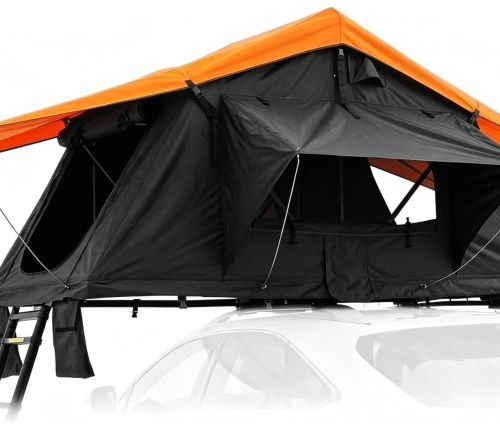
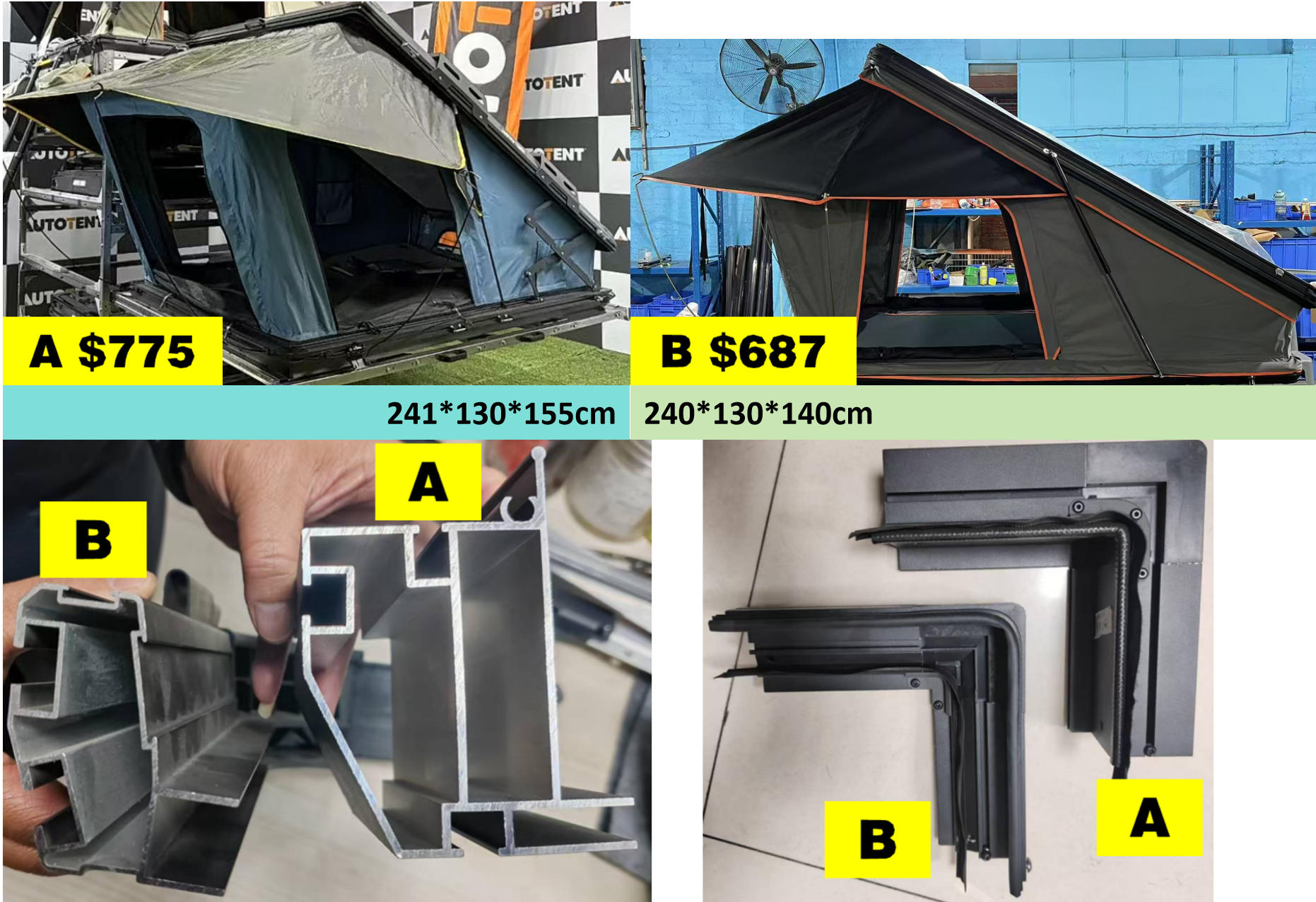
We evaluated four common roof tent architectures:
Soft-Shell / Pop-Up / Side-Opening / Clamshell
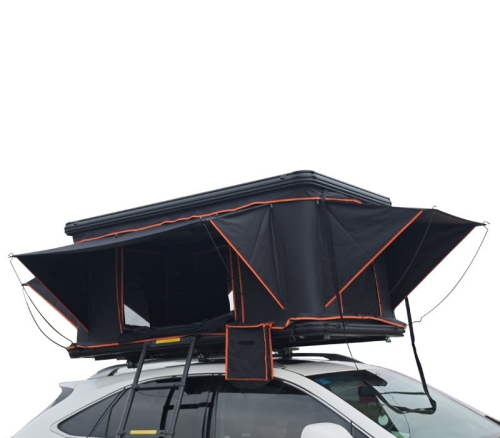
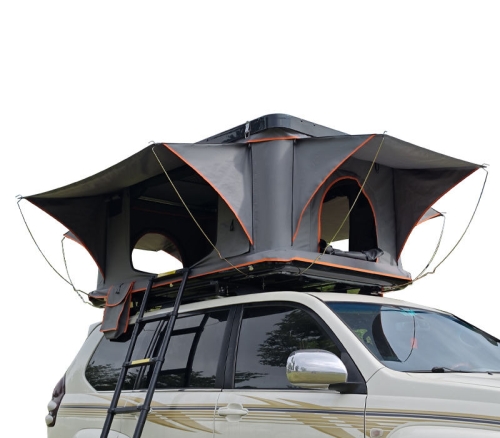
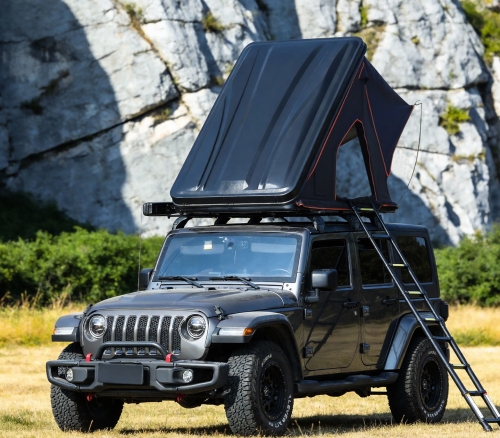
For this project, the clamshell architecture provided the strongest foundation for fast opening, simple operation and structural reliability.
Its main limitation was restricted space at the foot end.
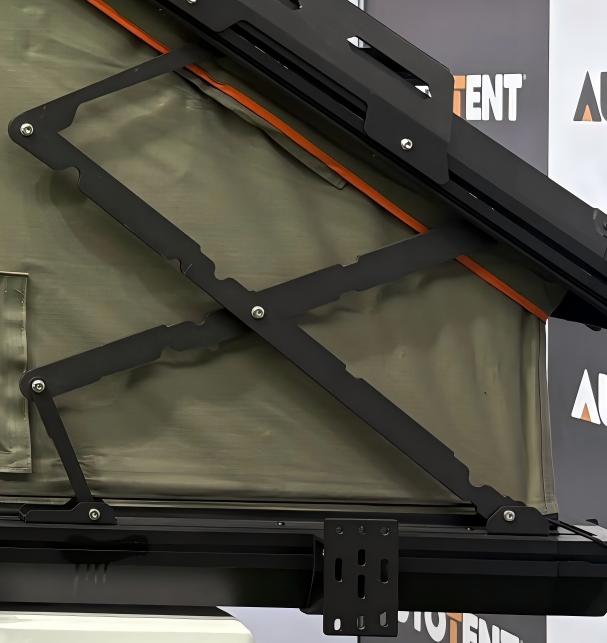
Instead of accepting that limitation or choosing a more complicated architecture, we developed an X-Lift mechanism that raises the foot end while retaining the simplicity of a clamshell roof tent.
Final Architecture: Hard-Shell Clamshell + X-Lift
We developed the product around the user's complete camping workflow:
This led to several connected engineering decisions.
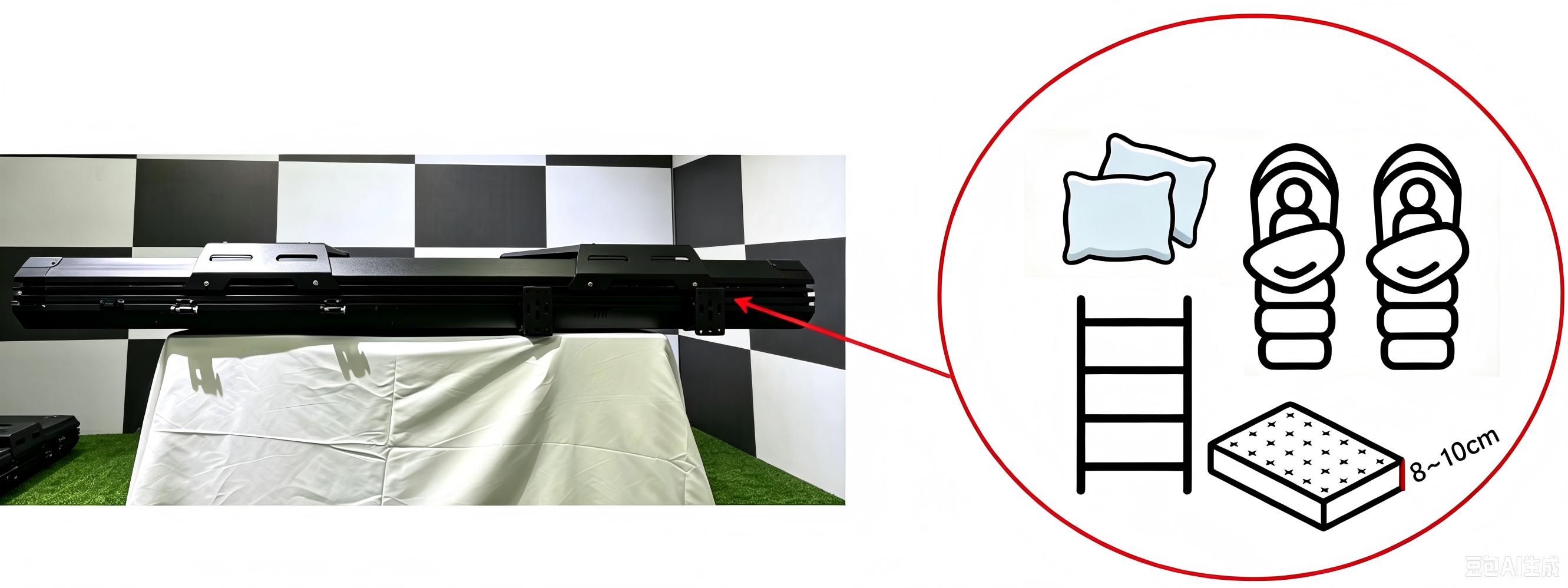
The internal space was designed so the mattress, pillows, sleeping bags and ladder can remain inside the roof tent, reducing setup and pack-down work for the user.
User value: arrive, open the tent and prepare for sleep with less gear handling.
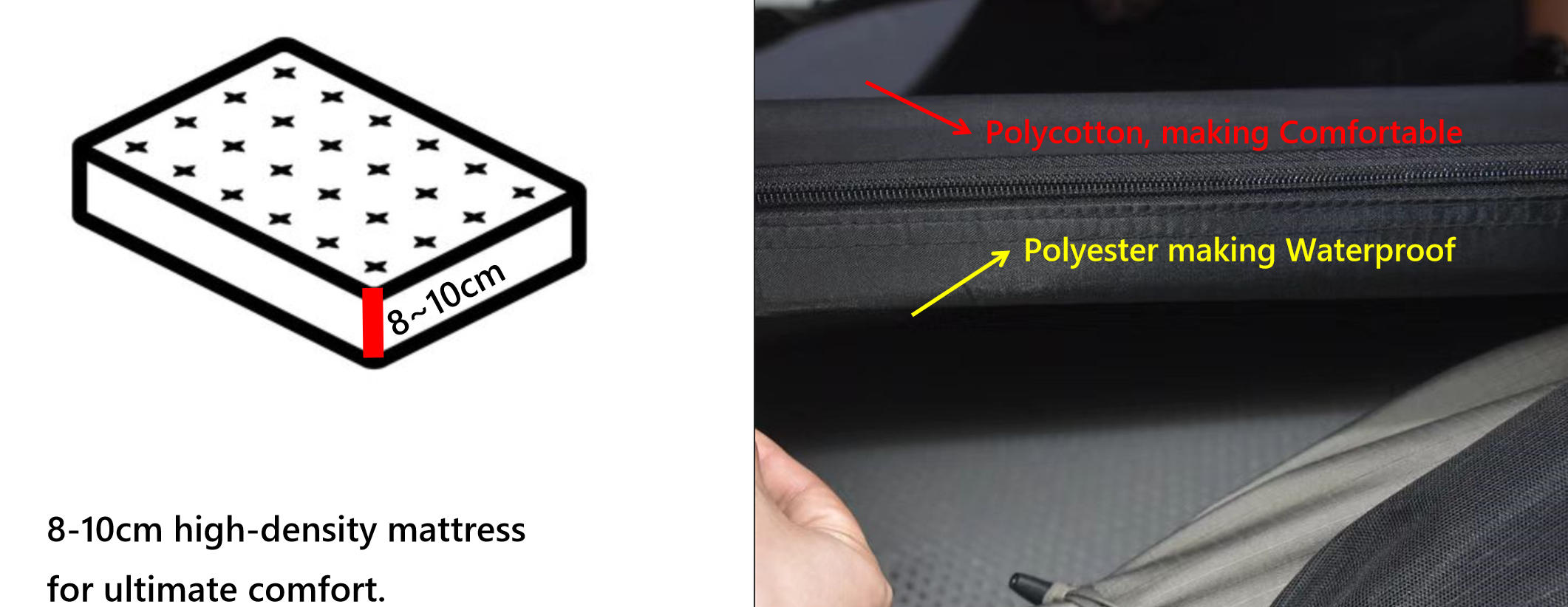
The structure supports an 8–10 cm mattress to improve sleeping comfort while maintaining practical roof tent closure.
This required the internal space, shell closing height and operating geometry to work together rather than treating mattress thickness as an isolated specification.
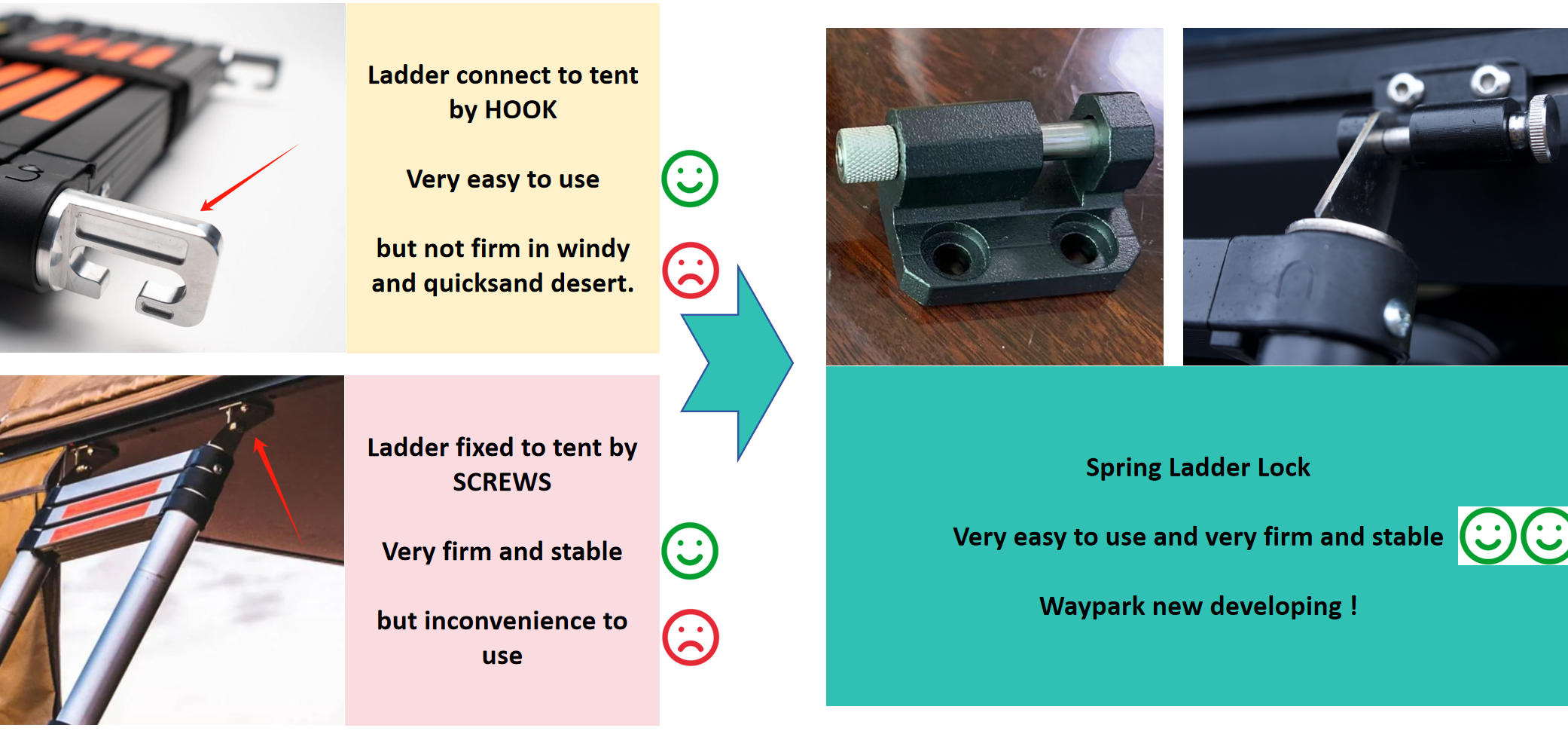
A spring ladder lock combines faster installation with secure support, balancing convenience with stability.
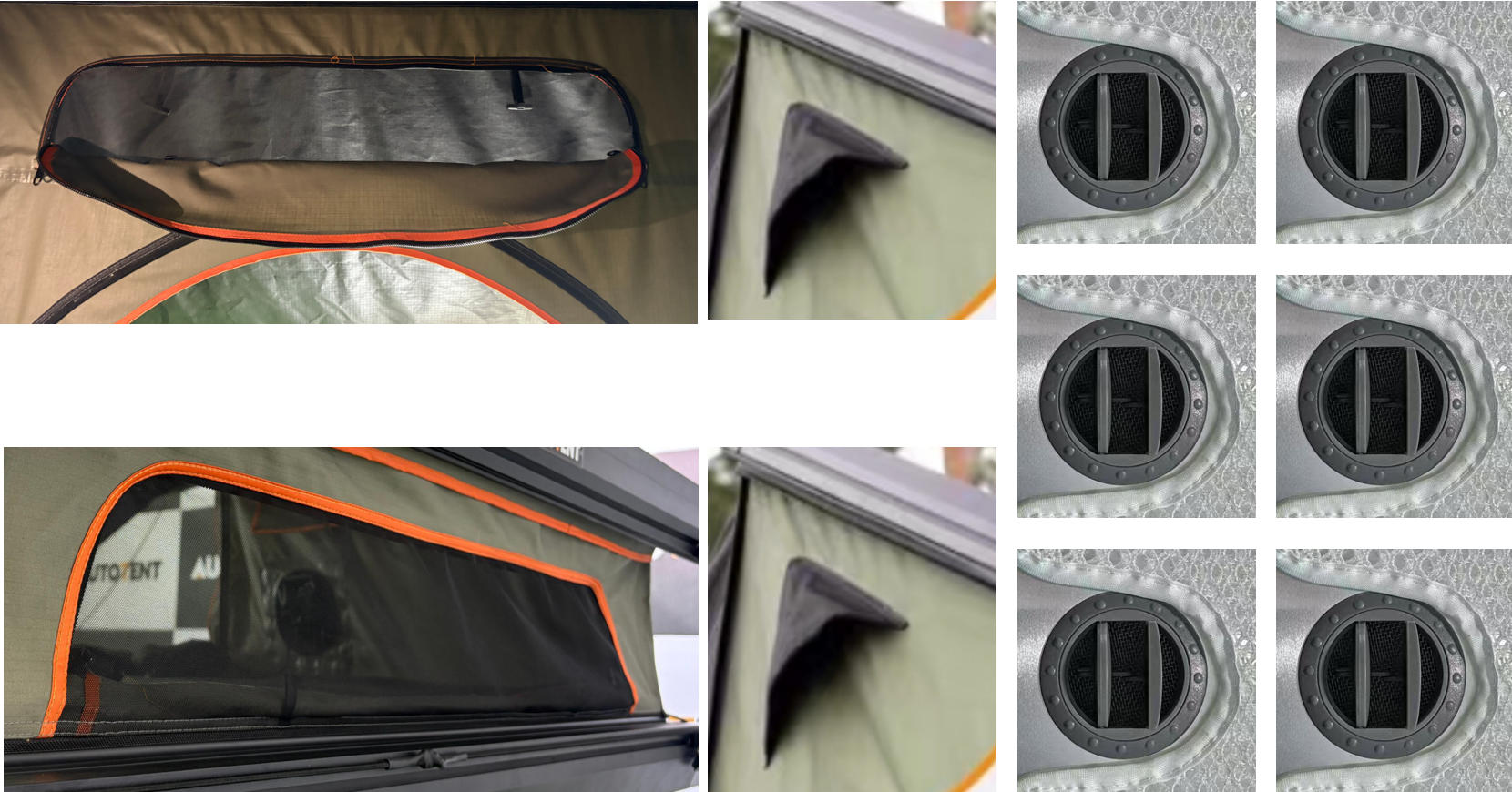
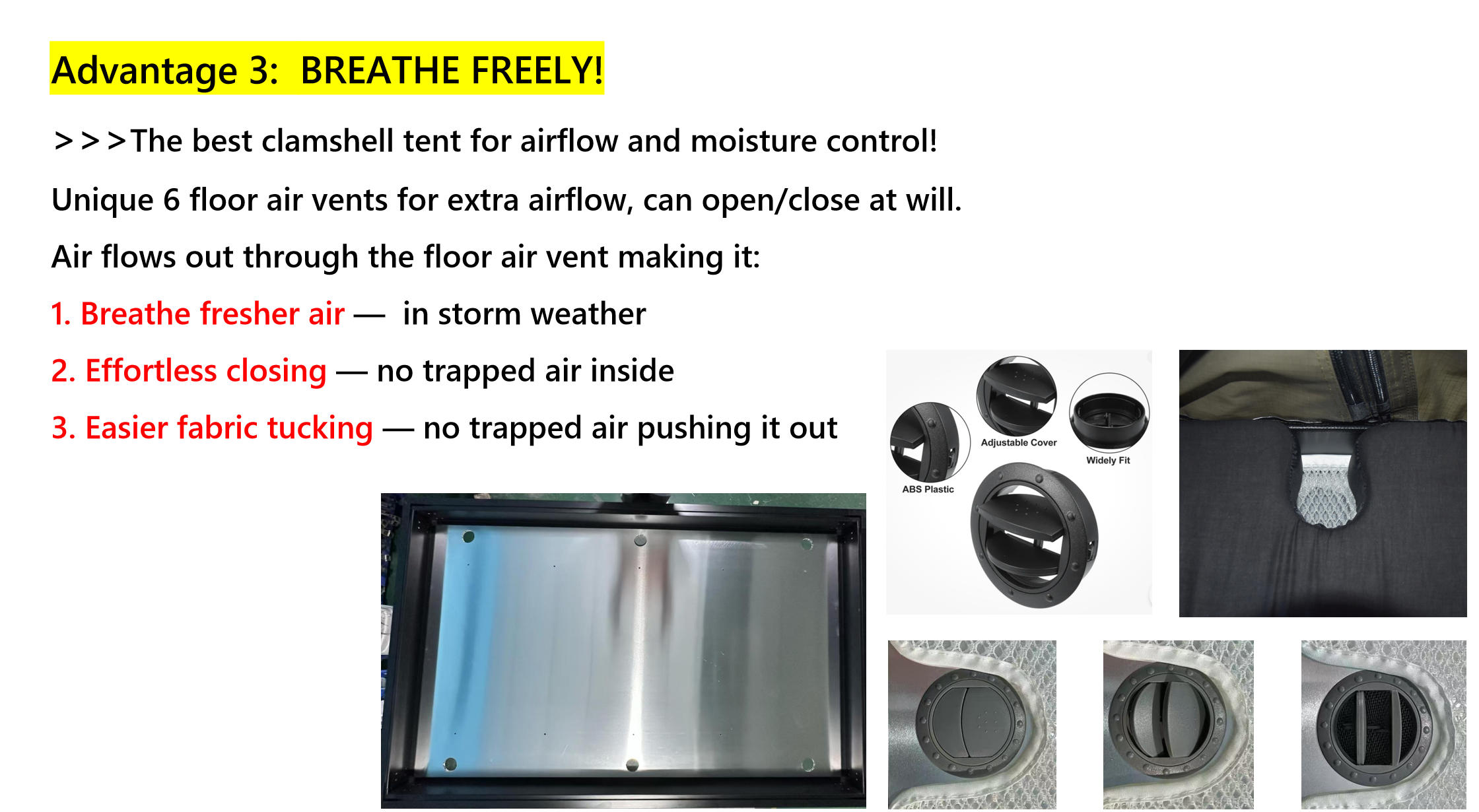
Lower, upper and side ventilation paths help manage heat and condensation.
Floor vents also allow internal air to escape during closing, making pack-down easier.
Engineering benefit: the same ventilation system supports both sleeping comfort and easier daily operation.
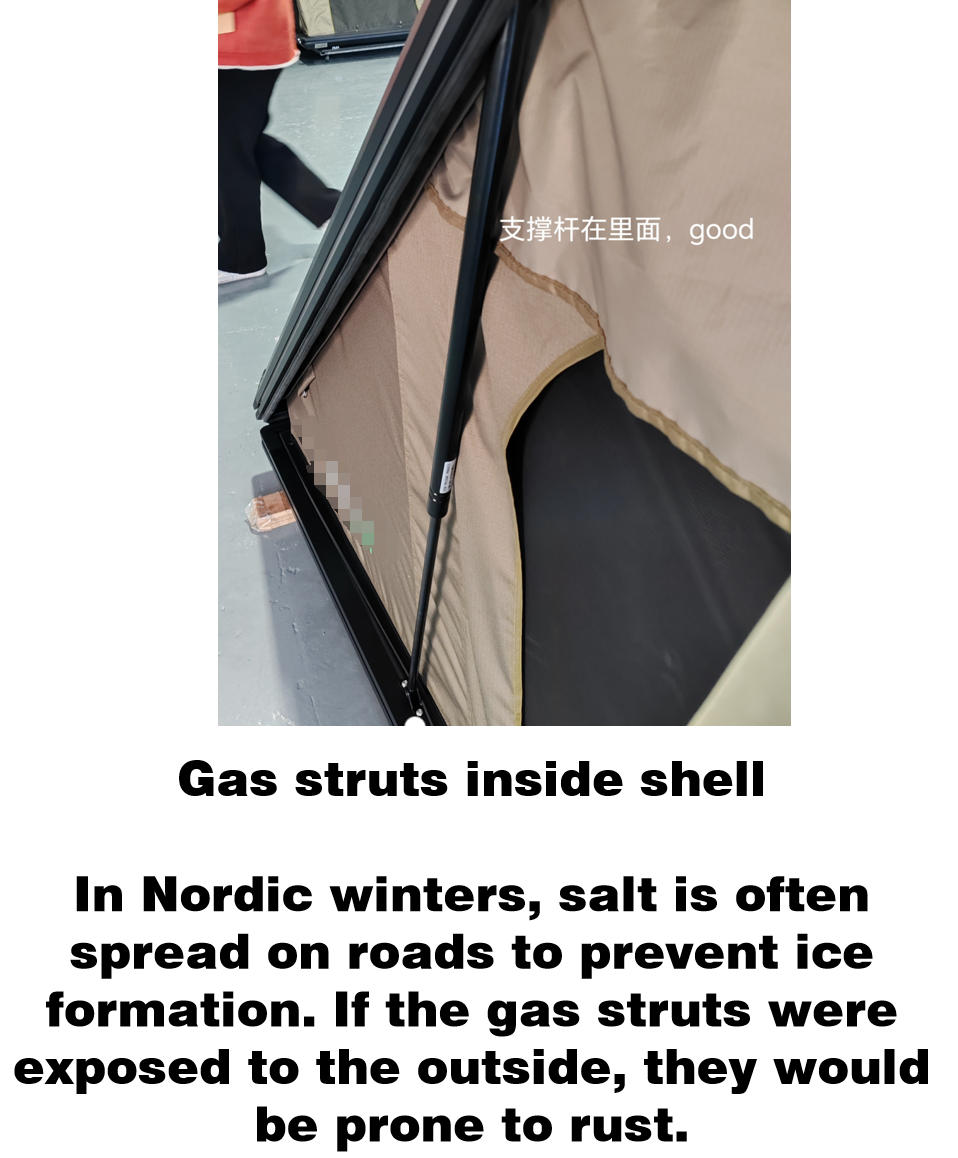
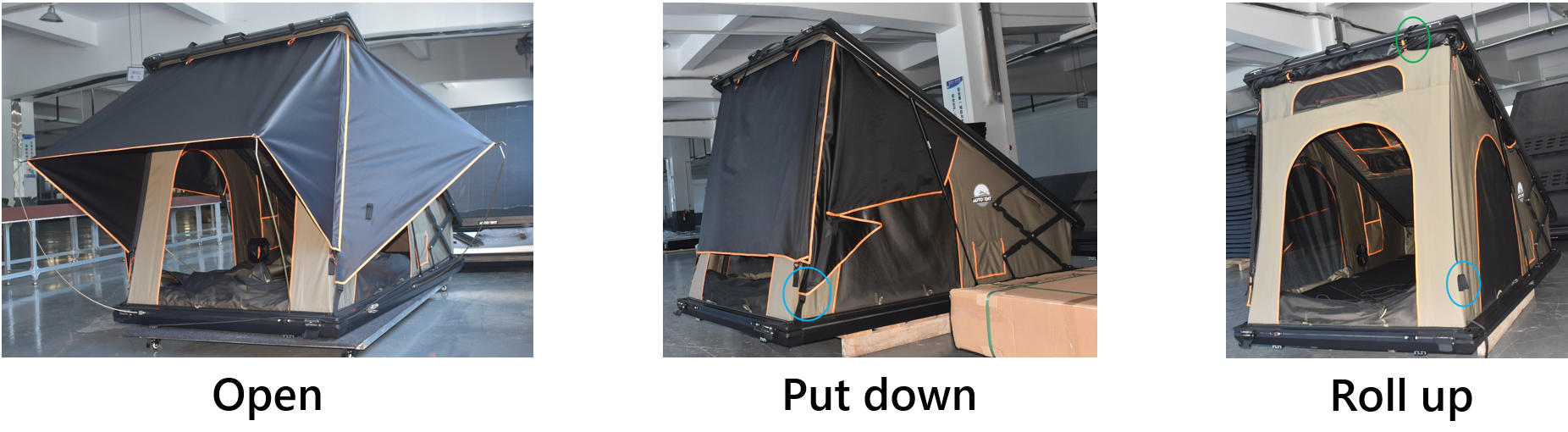
Gas struts are positioned inside the shell to reduce exposure to rain, dust and road contamination.
Improved fabric tension and support also help reduce fabric movement and noise in windy conditions.
These solutions were developed as one system rather than a collection of independent features.
WP6009-2 was developed as more than a single roof tent model.
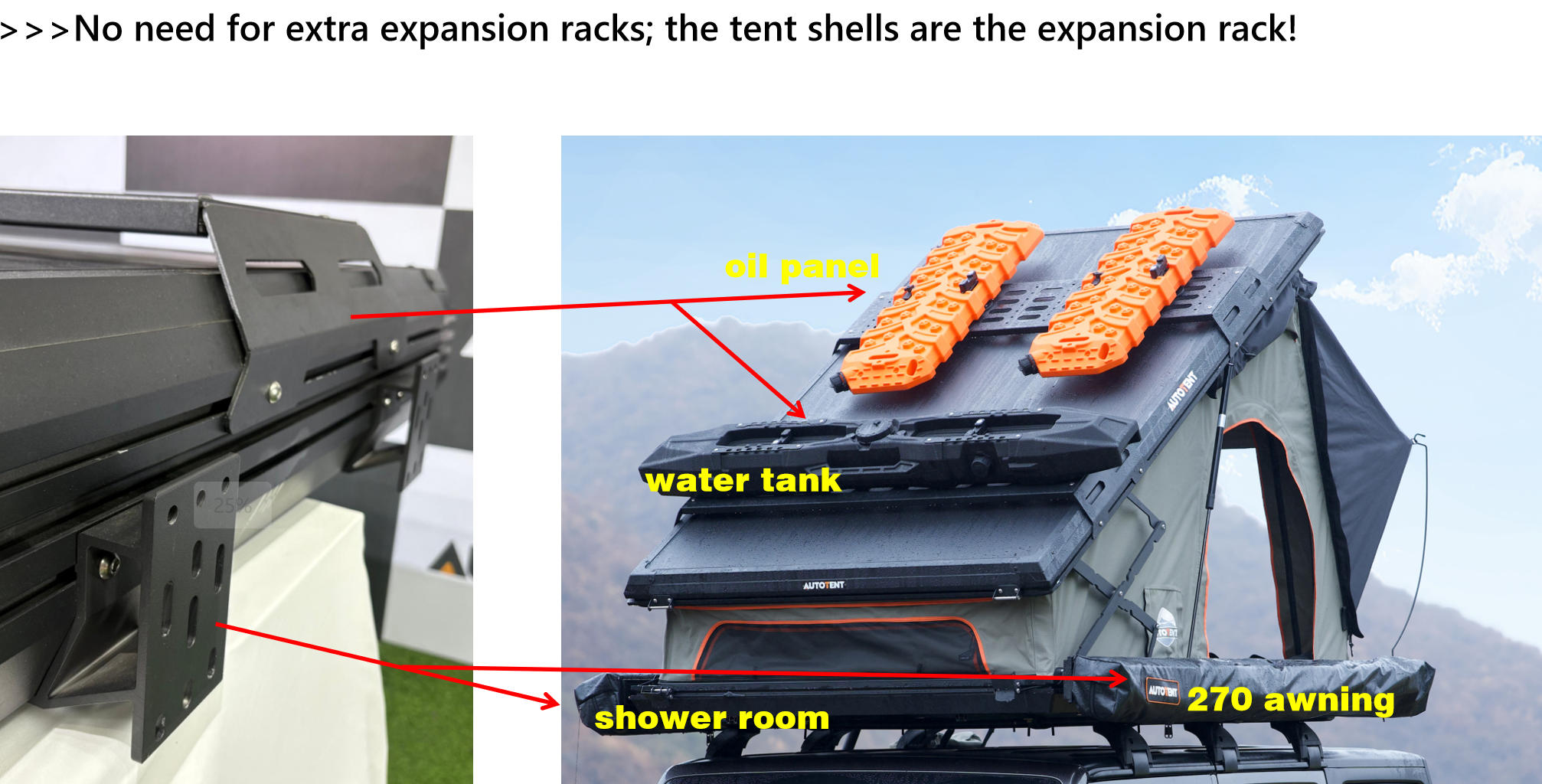
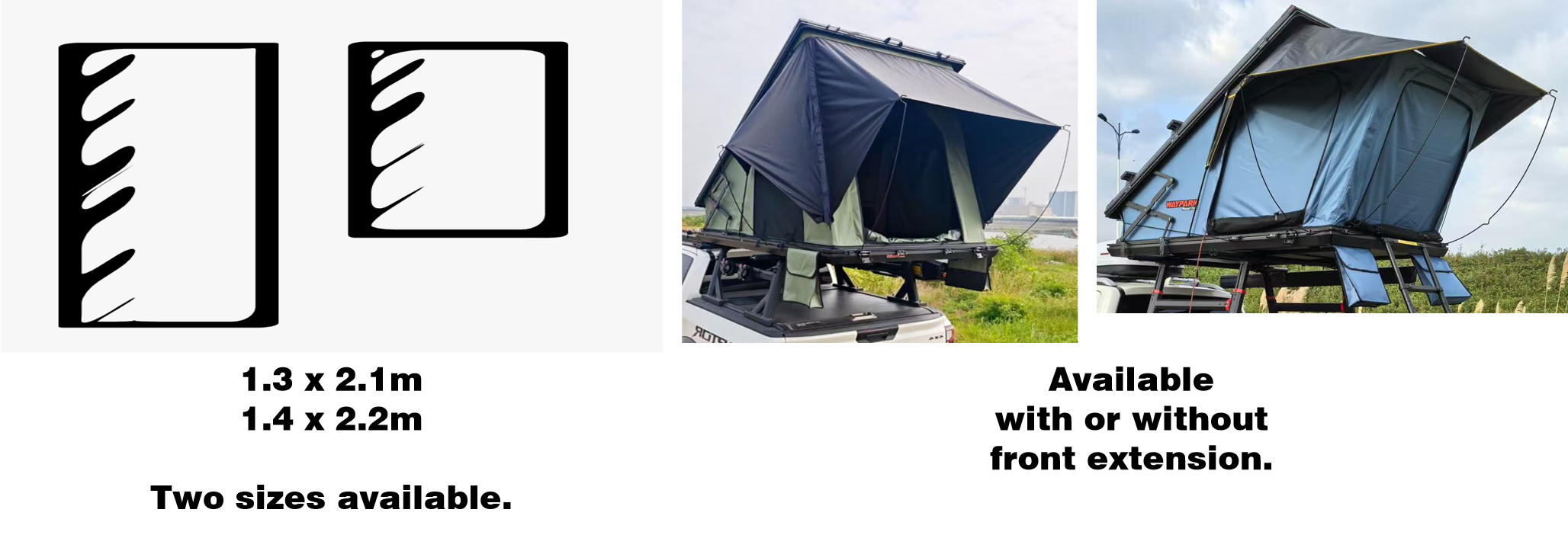
The architecture can support different sizes, front-extension configurations, market-specific specifications, awnings, shower rooms and related camping accessories.
This gives outdoor brands greater flexibility to build differentiated product configurations around a proven roof tent platform rather than starting every project from zero.
A successful roof tent ODM project must work beyond the prototype.
The platform was evaluated for structural stability, opening and closing, X-Lift operation, ladder durability, waterproofing, wind performance, temperature conditions, packaging and transportation .
Testing feedback was then translated into engineering revisions, production specifications and quality-control requirements before stable production.
This project shows WAYPARK's approach to roof tent ODM development:
The value of ODM is not simply creating something different. It is turning market requirements into a product that works for the user, can be reliably manufactured, and gives the brand a clear reason to bring it to market.
The final platform combines fast clamshell operation, increased sleeping space, real camping convenience and engineered reliability for premium SUV, 4×4 and overlanding markets.
Understand the market. Define the right product. Engineer what matters. Validate before production.
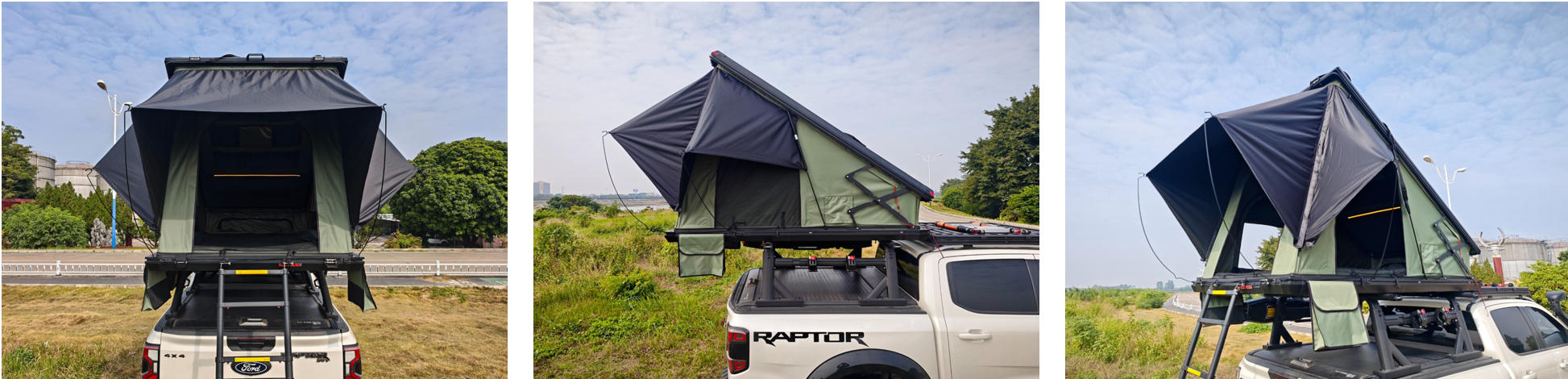
See the complete ODM development process behind the WP6009-2 premium X-Lift clamshell roof tent, from architecture selection and engineering to validation and production.